How to Find Open Swim Times at Pools Near You
Finding the right swim session takes a bit of research, but you've got several solid options. We'll walk you through the best ways to locate open swim times, understand what different session types offer, and get ready for your first visit.
Why Finding the Right Swim Time Matters
Open swim sessions aren't all the same. Some pools offer lap swimming with lanes marked and cleared, others have recreational swim where it's more casual and mixed-ability. Water aerobics classes are structured but low-impact. Master swimmer groups focus on technique and speed work. Getting the right fit saves you frustration and makes you more likely to keep going.
The good news? Most communities have multiple options. Between public recreation departments, YMCAs, private gyms, and dedicated swim clubs, you're probably closer to a session than you think. You just need to know where to look.
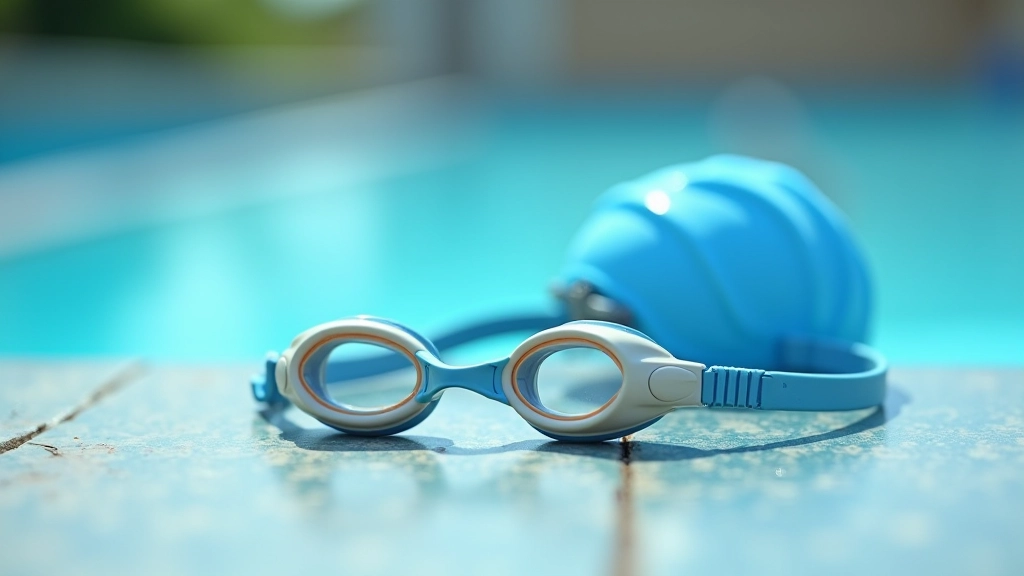
Understanding Different Swim Session Types
Not all open swim times are created equal. Here's what you'll typically find:
Lap Swimming
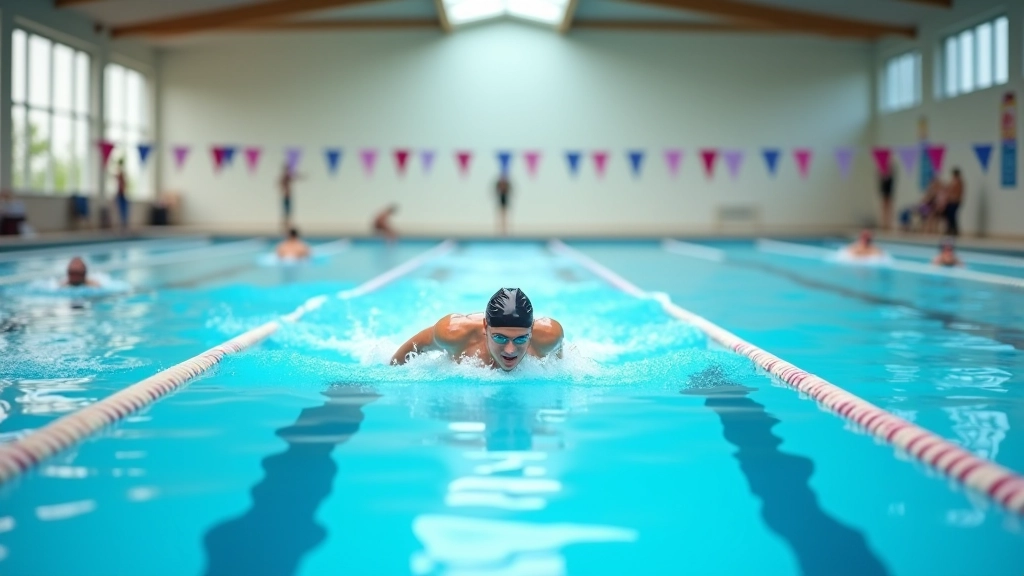
Designated lanes with lane dividers. You've got your own space to swim back and forth. Usually the fastest swimmers get the speed lane, slower swimmers in the other lanes. Best for: If you want to actually swim distance without interruption.
Recreational Swim
Open pool, mixed-ability, people swimming at their own pace. No lanes, no structure, just water. More casual vibe. Best for: If you're building confidence or just want to get in the water without pressure.
Water Aerobics Classes
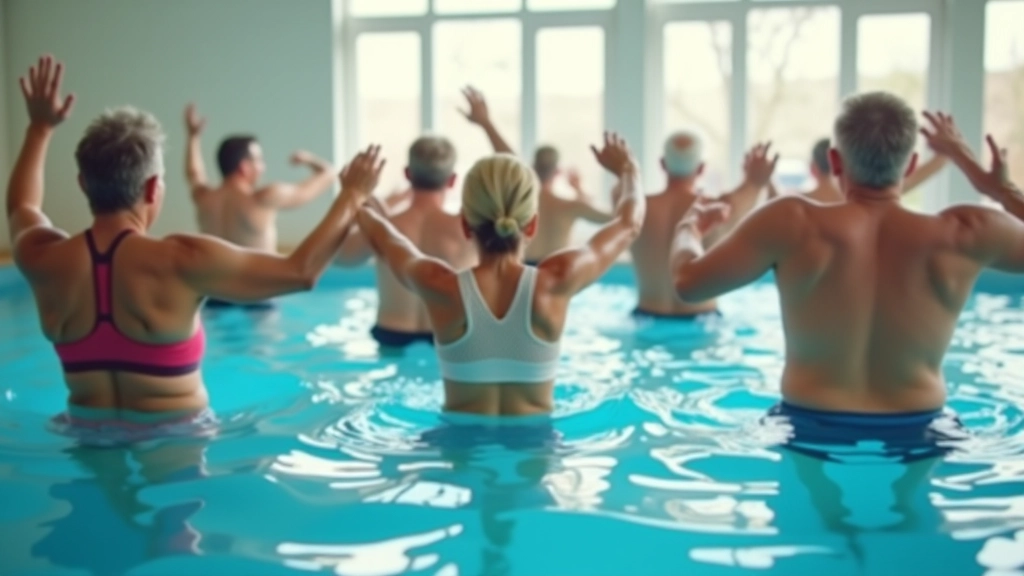
Instructor-led, group exercise in the water. Usually shallow end, lots of movement, great music. Structured timing and progression. Best for: Full-body conditioning that's easy on joints.
Master Swimmer Groups
Coached swimming for adults, often competitive-minded or technique-focused. Structured workouts, lane assignments based on speed. Best for: Serious swimmers who want coaching and community.
Where to Search for Open Swim Times
Start with these sources. Most of them are free to check and don't require signing up.
Local Parks & Recreation Department
Your city or county almost certainly runs public pools. Their website lists all open swim times, water aerobics schedules, and fees. Search "[Your City] Parks and Recreation" or "[Your County] aquatics." Most post schedules 3-6 months ahead. This is usually the cheapest option—open swim often costs $3-6 per visit.
YMCA
Most YMCAs have multiple open swim times throughout the week, plus water aerobics and master swimming programs. They're in almost every town. Check ymca.org and filter by location, then look at their aquatics schedule. YMCAs usually require membership but many offer trial weeks.
USA Swimming Masters Directory
If you're interested in master swimming, go to usaswimming.org and search their masters directory by zip code. You'll find every registered master swimming team in the US. Most practice 4-6 times per week and welcome newcomers. Membership is affordable (often $80-150/month for unlimited practice access).
Private Gyms & Fitness Centers
Many big-box gyms (Planet Fitness, Life Time, Equinox) and smaller fitness studios have pools. Search "gyms with pools near me" or check Google Maps for "swimming pool [your city]." Private gyms usually cost more ($50-200/month) but often include other amenities.
Swim-Specific Apps
Apps like SwimUp and Meet-Up have directories of swim groups and open times. These aren't comprehensive (not every pool submits info) but worth checking. Google "swim finder app" for current options.
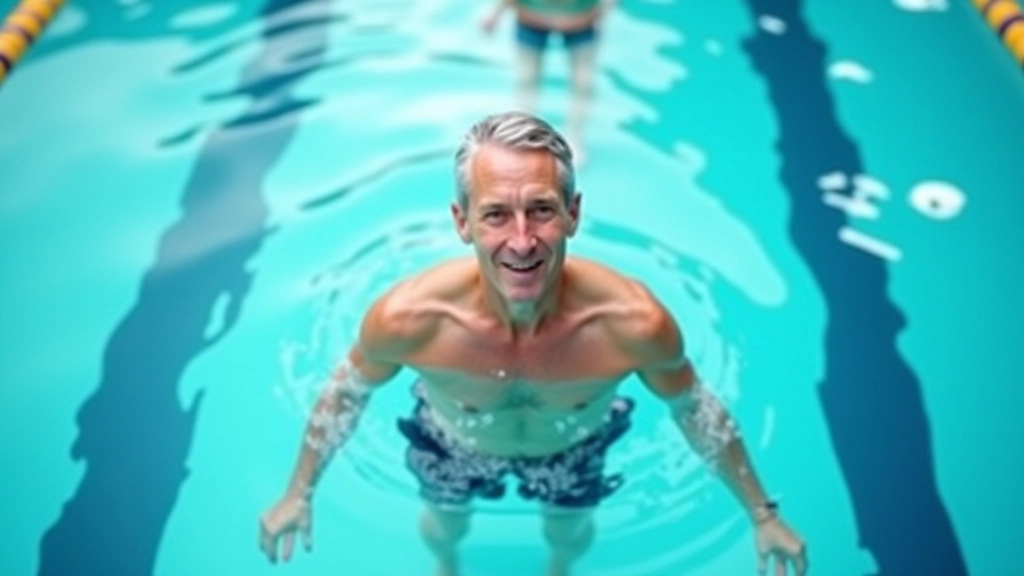
Preparing for Your First Open Swim Session
Here's what to expect and what to bring:
01
Call Ahead or Check Online
Confirm the current schedule. Pool hours change seasonally and sometimes close unexpectedly for maintenance. Arrive 10-15 minutes early your first time to allow for check-in and finding the locker room.
02
Bring the Essentials
You need: swimsuit, goggles, swim cap (optional but helpful), towel, and flip-flops. Some pools require a swim cap for hygiene reasons. Bring a small bag for your stuff. You don't need anything fancy—a basic lycra or nylon suit and $15 goggles work fine.
03
Know Pool Etiquette
If there are lanes, swim down one side of the lane and up the other. Let faster swimmers pass if they're behind you. At the end of a lap, push off the wall gently. If it's recreational swim, just enjoy—no formal rules. A lifeguard will give you the basics when you arrive.
04
Start Slow
You don't need to swim hard on day one. Do a warm-up lap (maybe 4-5 lengths), then some easy swimming. See how your body feels. If you haven't swum in years, you'll likely feel sore the next day—that's normal. Give it 2-3 sessions before deciding if it's right for you.
Pro Tips for Finding Your Best Fit
Go during off-peak hours. Most pools are least crowded mid-morning (9-11am) or mid-afternoon (2-4pm) on weekdays. If you're retired or flexible with your schedule, these times are golden. Lap lanes are clearer, the water's calmer, and there's less jostling.
Try Multiple Pools
Don't settle on the first one you visit. Different pools have different vibes. One might have better lane assignments, another might have friendlier staff or warmer water. Give yourself 3-4 visits to different locations before choosing.
Ask About Seasonal Changes
Open swim times often shift when schools start/end. Summer schedules differ from winter. Ask the front desk about upcoming changes so you're not surprised when your favorite Tuesday slot disappears.
Connect with Other Swimmers
Talk to people at your chosen pool. Ask them what times they prefer and why. You'll quickly learn which sessions have the best community feel, which lifeguards are most helpful, and where the best lane assignments happen.
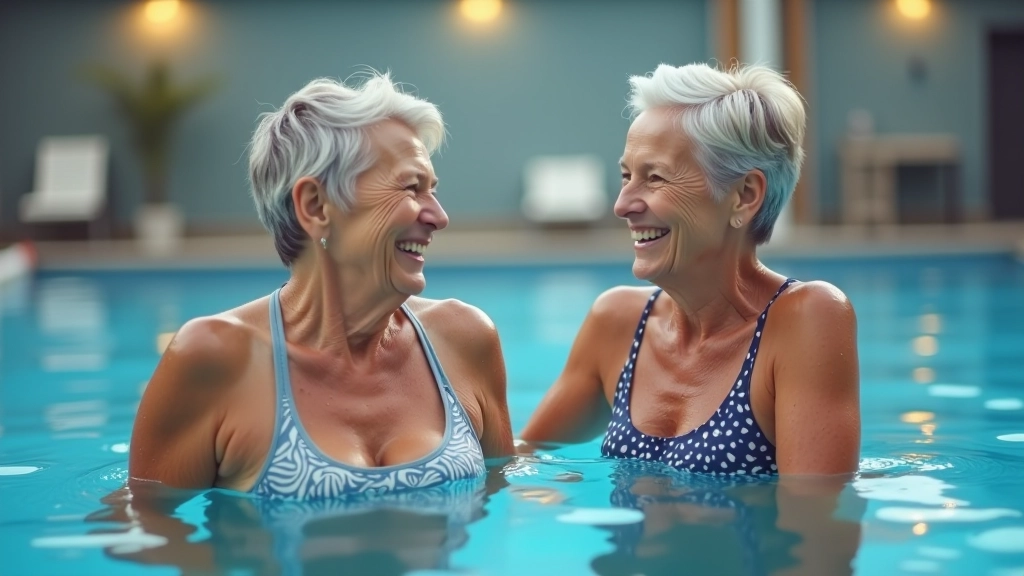
Your First Visit Checklist
✓
Confirmed pool hours and session type online or by phone
✓
Packed: swimsuit, goggles, towel, flip-flops, change of
clothes
✓
Arrived 10-15 minutes early to find parking and locker room
✓
Introduced yourself to a lifeguard or staff member
✓
Started with an easy warm-up and didn't push hard
✓
Asked about next week's schedule before leaving
Finding Your Rhythm in the Water
Getting started with open swim doesn't require a perfect plan. You've got options in your area—public pools, YMCAs, private facilities, master swimming teams. Start with your local parks department website or YMCA, pick a session type that appeals to you, and show up. Your first visit won't be perfect. You might forget goggles, feel awkward in the lane, or discover the water's colder than expected. That's fine. Most swimmers will tell you the same thing: the hardest part is showing up the first time. After that, it gets easier and more enjoyable.
Give yourself 3-4 sessions before deciding whether a particular pool or time is right for you. If the vibe doesn't feel good, try a different one. There's no such thing as the "wrong" open swim session—just the one that works best for your schedule, fitness level, and personality. Once you find it, you'll be surprised how quickly swimming becomes part of your routine.
Ready to Take the Next Step?
Start with your local parks department or YMCA this week. Even 20 minutes in the water counts. You've got this.
Disclaimer
This article provides educational information about finding and participating in open swim sessions. It's not medical or fitness advice. Before starting any new physical activity, especially if you have existing health conditions, consult with your doctor. Pool safety, water temperature, and facility rules vary by location. Always follow posted guidelines and communicate with lifeguards and facility staff about your needs and experience level.
Related Articles