Getting Back Into Lap Swimming After Years Away
A practical guide to returning to competitive swimming, including breathing techniques, endurance building, and realistic progression timelines for adults.
Why Adults Are Returning to the Pool
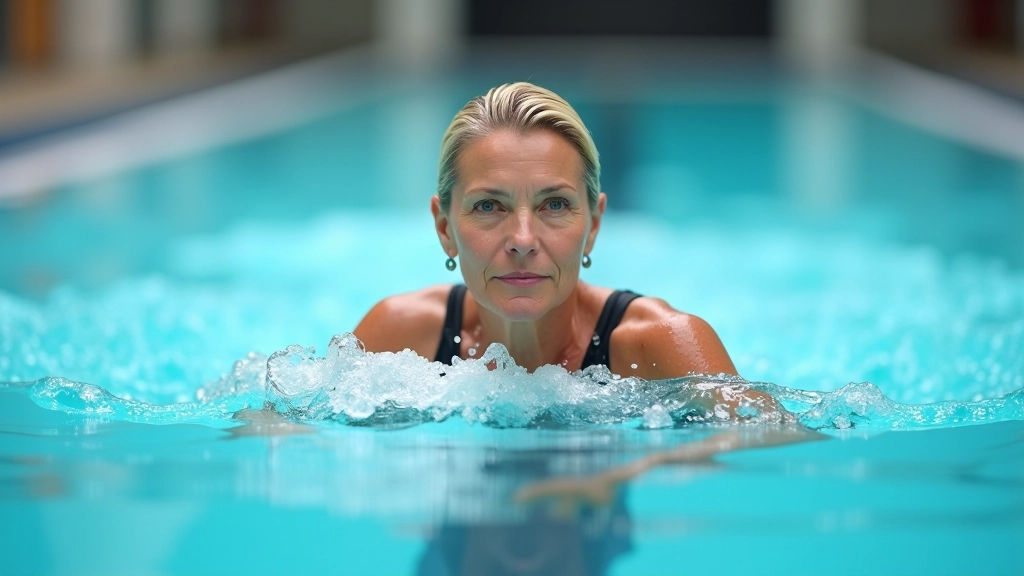
You haven't been in a pool for serious swimming in maybe five years. Maybe ten. And now you're thinking about getting back into it — not just splashing around with grandkids, but actually swimming laps again. The good news? It's completely doable. Your body remembers more than you'd think.
Coming back to lap swimming as an adult isn't the same as starting from scratch. You're not learning how to float or what a kick board is. But it's also not like hopping back into the routine you had at 25. There's a middle ground, and it's where most people in their 40s and 50s find success — steady progress without burning out or injuring themselves.
We'll walk you through the realistic timeline, the techniques that matter most, and how to build endurance without overdoing it. Whether you're aiming for open swim sessions at your local pool or thinking about joining a master swimmer group, you'll know exactly what to expect.
Master Your Breathing First
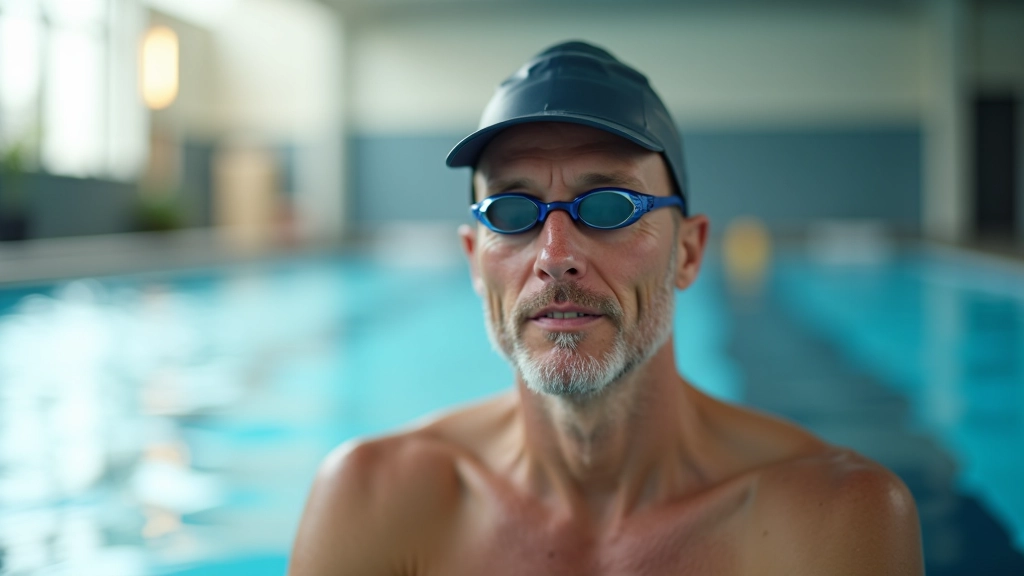
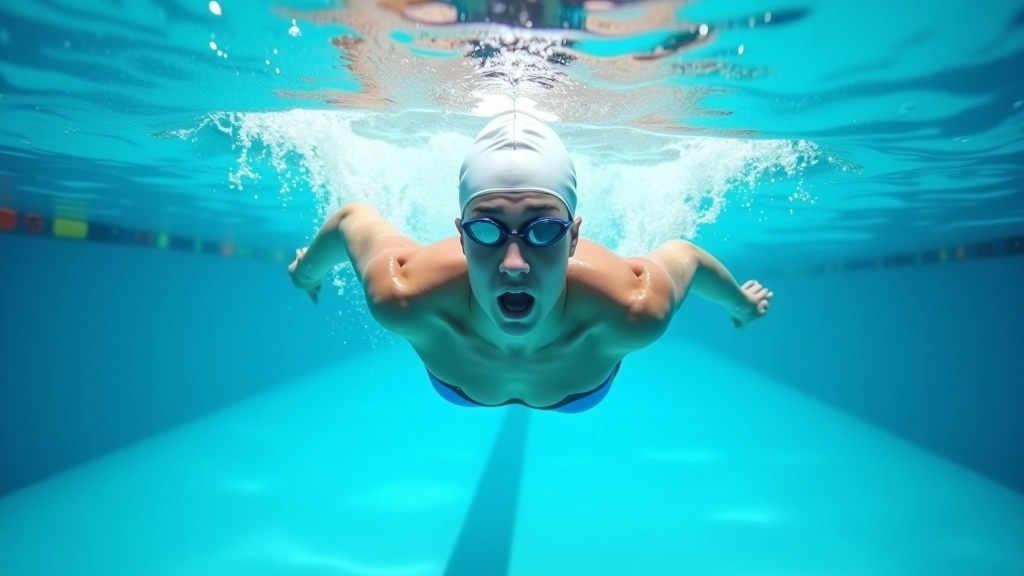
Here's what trips up most returning swimmers — they think they can just hop in and start doing laps like they used to. But breathing is where everything falls apart. Your lungs are fine. Your cardiovascular system isn't the problem. It's the timing and rhythm of breath that exhausts you.
Bilateral breathing (alternating which side you breathe on) should be your first focus. It's not fancy, but it works. Breathe on every third stroke — left arm pull, right arm pull, breathe. This creates a rhythm that feels natural and keeps your stroke balanced. Most swimmers pick this up in two to three sessions if they focus on it.
The Real Progression: Week one, focus only on breathing drills. Do 50-meter sets with one minute rest between. That's it. Don't worry about speed or distance. Just get the pattern solid. You'll be surprised how much this improves your whole swim.
After two weeks of consistent practice, bilateral breathing becomes automatic. Your heart rate stabilizes. Suddenly, 200 meters doesn't feel impossible anymore. It's the foundation everything else builds on.
Building Distance Without Burning Out
Most returning swimmers make the same mistake — they try to do what they did years ago and wonder why they're exhausted after 300 meters. You're not 25 anymore, and that's fine. But your body can absolutely handle more distance than you think. It just needs a smarter progression.
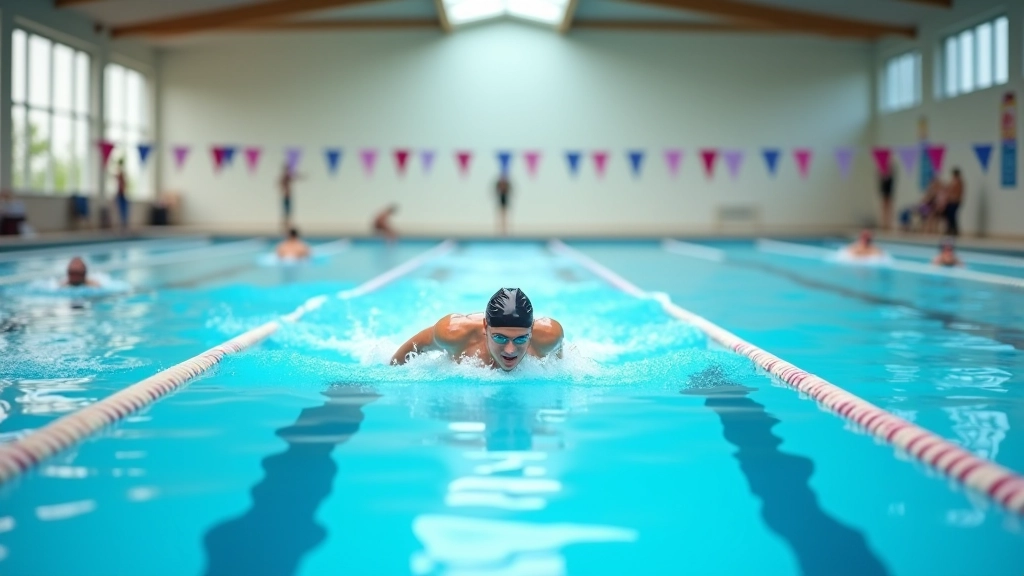
Start with 200 meters of easy swimming as your benchmark. That's four 50-meter sets with 15-20 seconds rest between. This shouldn't feel hard. If it does, you're going too fast. The pace should feel like you could talk in sentences if you stopped and had someone nearby.
Focus on breathing drills and 200-meter baseline sets. Three sessions per week, 48 hours apart minimum.
Add one 300-meter set per week. Keep the other two sessions at 200 meters. Pace stays easy.
Build your main set to 400-500 meters once per week. Secondary sessions stay at 250-300 meters.
You're now at 600+ meters per session. Most people stabilize around 800-1000 meters for regular open swim sessions.
By week six, you'll notice something shift. You're not as winded. Your stroke feels smoother. Recovery between sets takes less time. This isn't magic — it's just your body adapting to consistent stimulus. Don't rush it.
Small Technique Fixes That Make a Huge Difference
You don't need a complete overhaul of your stroke. Most returning swimmers have decent fundamentals. What changes is efficiency — doing the same motion with less energy wasted.
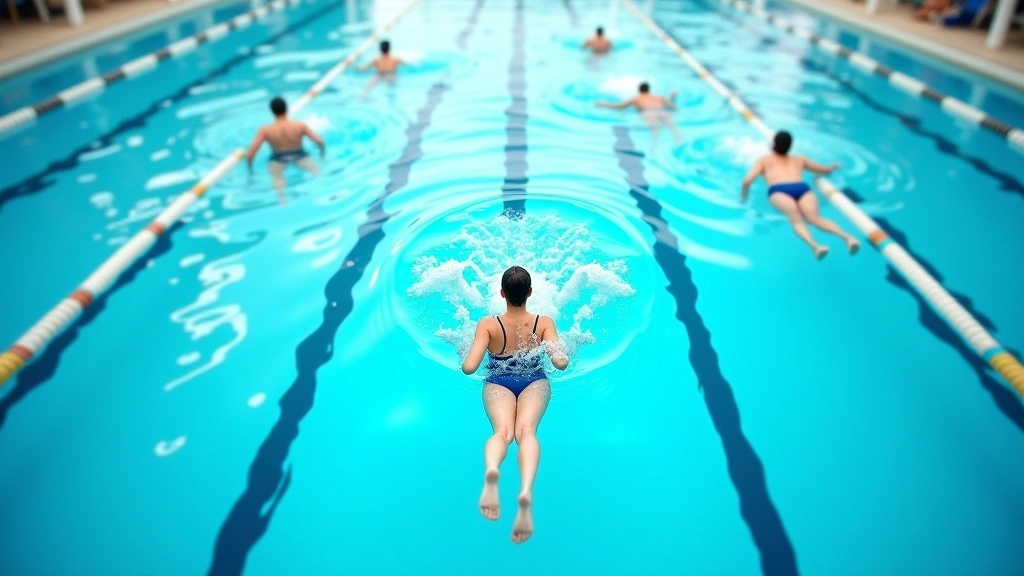
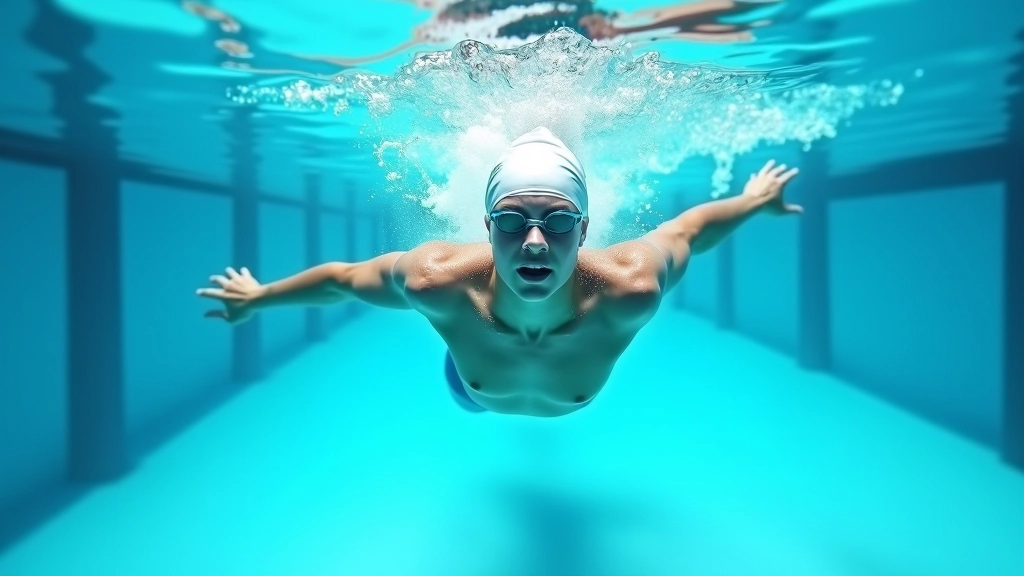
Body position matters more than arm technique. When you're tired, your hips drop and your legs drag behind like anchors. Keep your hips high and your head neutral (eyes looking down, not forward). This alone cuts your effort by about 20%. It sounds simple because it is.
Your hand entry is the second thing to fix. Reach forward before you start your pull. Don't be timid about it. Your arm should be nearly extended before you start bending your elbow to pull. This extends your stroke length, meaning you cover more distance with fewer strokes. Fewer strokes means less fatigue per lap.
One Drill to Fix Everything: Kick on your side, one arm extended in front, the other at your side. 25 meters on each side. This teaches your body what proper position feels like. Do this for five minutes at the start of every session. After three weeks, your body will remember.
Your Realistic Timeline and What to Expect
Let's be honest about what's realistic. You're not training for the Olympics. But you are capable of serious improvement. Here's what most adults see:
Weeks 1-2: The Learning Phase
Your main goal is establishing breathing rhythm and technique. You'll feel tired after short distances. This is normal. Your aerobic system isn't built for this yet. By week two, breathing should feel automatic.
Weeks 3-6: Building Base
Fatigue drops noticeably. You can swim 300+ meters without feeling destroyed. Recovery gets faster. This is when it starts feeling good. You'll want to swim more, which is a good sign.
Weeks 7-12: Real Progress
You're now at 600-800 meter sessions regularly. Speed naturally increases without forcing it. Your stroke feels efficient. This is where you can consider joining a master swimmer group or doing timed sessions.
Month 4+: Sustainable Fitness
You've built a real fitness base. Swimming 1000+ meters feels manageable. You can maintain this with three sessions per week. You're genuinely competitive with other recreational swimmers.
The timeline isn't rigid. Some people progress faster. Some take longer. What matters is consistency. Three sessions per week beats one intense session. Eight weeks of regular training beats sporadic effort. Your body adapts to patterns, not intensity.
Recovery and Avoiding Common Injuries
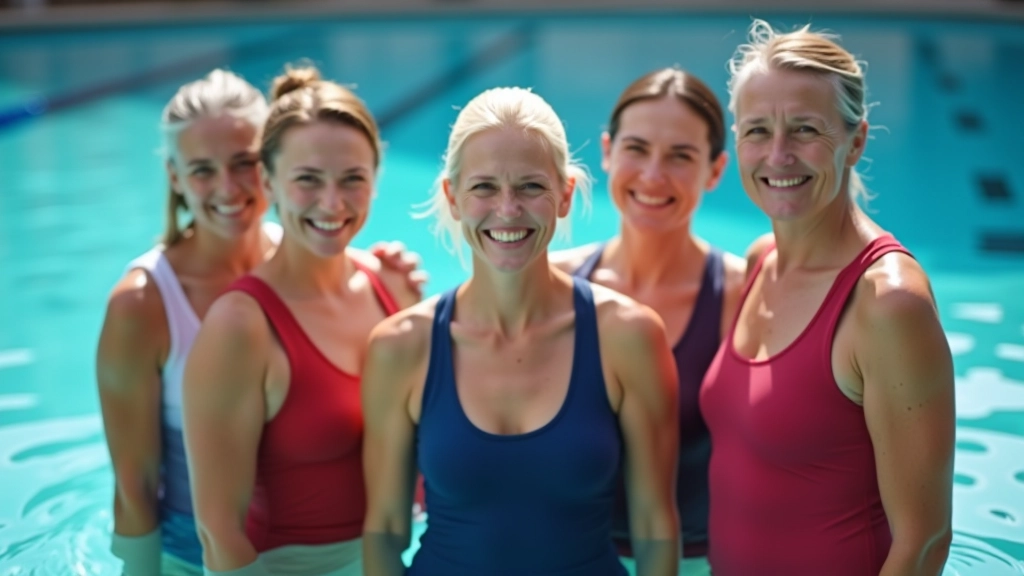
The biggest mistake returning swimmers make is swimming too hard too often. You feel good after a session, so you think you can do it again the next day. But your shoulders need recovery time. Your shoulders especially — they're doing most of the work in freestyle.
Space sessions 48 hours apart minimum. If you're doing three per week, do Monday, Wednesday, Friday. This gives your shoulders and rotator cuff time to adapt without constant stress. Swimming is low-impact on your joints, but it's high-impact on your shoulder stability.
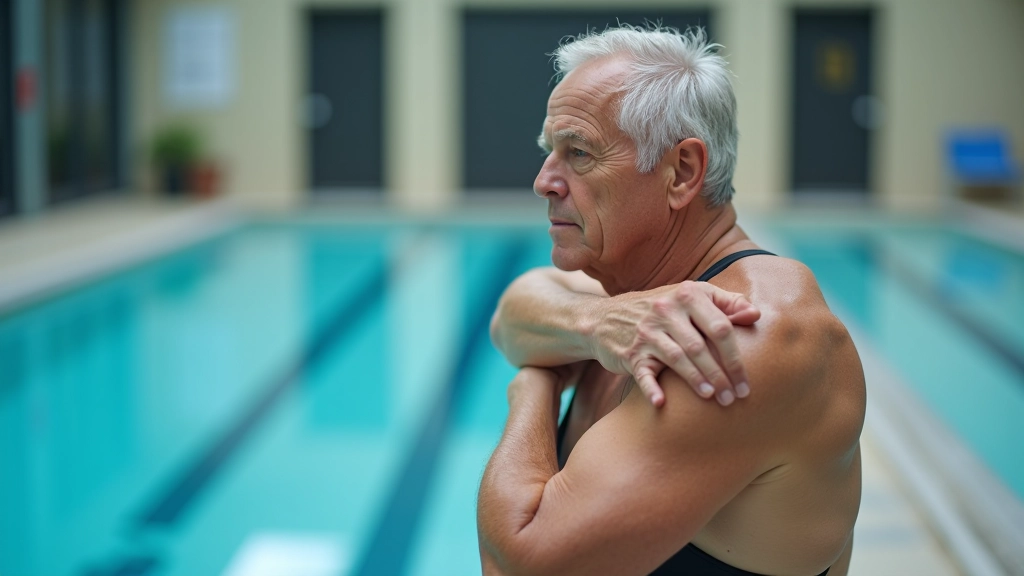
Shoulder soreness is normal in the first month. Sharp shoulder pain is not. If you feel sharp pain, scale back intensity and take an extra rest day. Most shoulder issues from returning swimmers come from doing too much volume too fast. Your connective tissue hasn't caught up with your enthusiasm.
The Prevention Rule: If you're sore after a session, that's fine. If you're still sore three days later, you did too much. Adjust next time. Soreness means adaptation. Lingering pain means you overdid it.
You're More Ready Than You Think
Getting back into lap swimming after years away feels daunting until you actually start. Then it's just swimming. Your body hasn't forgotten how. Your lungs work fine. Your arms remember the motion. What you need is consistency, smart progression, and patience with yourself.
Three sessions per week, starting with 200 meters and building gradually. Focus on breathing first, technique second, distance third. Respect your recovery days. By week six, you'll be genuinely surprised at what you're capable of. By week twelve, you won't recognize your fitness compared to when you started.
Most people find that once they're back in the routine, they don't want to stop. Swimming becomes part of how they stay healthy. It's low-impact, it's meditative, and it works. You've got this.
Disclaimer
This article provides educational information about returning to lap swimming for adults. It's not medical advice, and it's not a substitute for professional coaching or medical consultation. Everyone's fitness level, health status, and physical limitations are different. If you have any existing health conditions, joint problems, or concerns about starting a swimming program, consult with a doctor or certified swimming coach before beginning. Listen to your body. Pain is a signal to back off. Discomfort from exertion is different from pain from injury. When in doubt, take an extra rest day.